The Offer and Its Timing
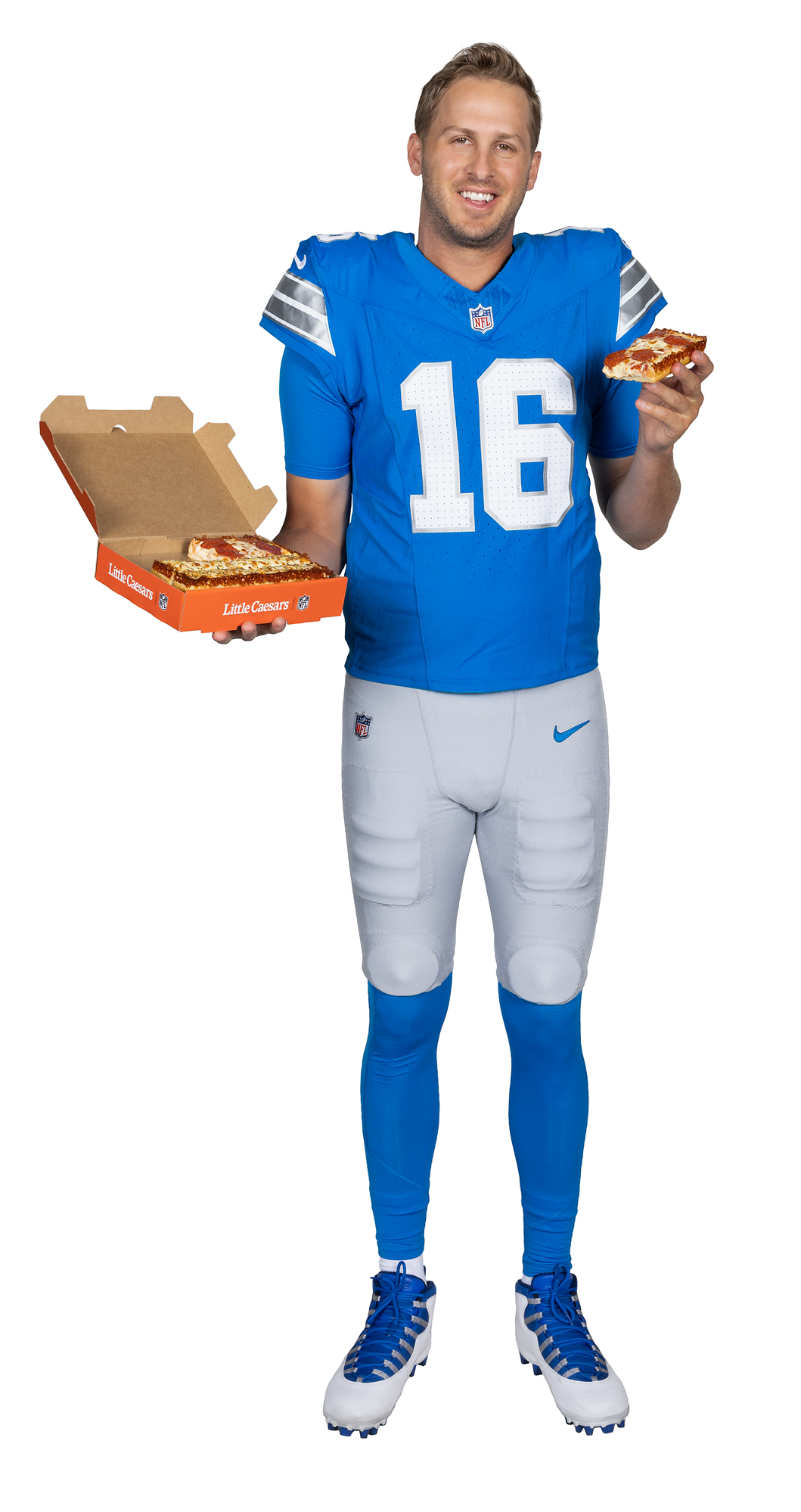
Little Caesars is returning Detroit-Style Slices-N-Stix to its national menu at $4.99 from September 7 through November 1, threading the product's relaunch directly into the NFL season — a calculated move that links promotional timing with peak pizza consumption behavior. The meal bundles two slices of Detroit-Style Deep Dish pizza with four pieces of Italian Cheese Bread and Crazy Sauce, available in Pepperoni and Cheese, and is accessible via the Hot-N-Ready window from 4–8 p.m. or through the brand's app and website.
Detroit Lions quarterback Jared Goff headlines the campaign, anchoring a brand message that runs on geographic pride and perceived value simultaneously. For the world's third-largest pizza chain — with locations in all 50 states and 30 countries — that combination of local identity and national reach is a repeatable playbook, not a one-off.
Why Value Positioning Is the Real Story
The $4.99 price point is doing heavy lifting here. As single-serve and individual-portion formats gain traction across fast-casual and QSR pizza, most competitors are landing those SKUs well above the $6.00 mark. Little Caesars is using Slices-N-Stix to reassert price leadership in a segment where value messaging has become increasingly difficult to sustain as food costs remain elevated.
Greg Hamilton, Chief Marketing Officer at Little Caesars, framed the return around the brand's core promise: "Detroit-Style Slices-N-Stix brings together the taste, variety and value guests expect from Little Caesars." That framing — taste, variety, value in sequence — is intentional. It positions the LTO as a traffic driver for lapsed guests and a loyalty reinforcement for regulars, not merely a promotional discount.
For operators and franchisees evaluating how to frame limited-time offers within their own systems, this release offers a useful benchmark. The brand is leaning on an athlete endorsement with strong regional identity, a constrained availability window (Hot-N-Ready hours plus digital), and a format purpose-built for solo occasions — lunch, gameday, and on-the-go — rather than trying to cover every daypart.
What This Signals for Operators
The structural intelligence here is in the channel layering. Little Caesars is routing LTO demand through both a time-windowed in-store format and its owned digital channels — app and website — which lets it capture data on purchase behavior while reducing dependence on third-party delivery margins. That dual-channel approach is increasingly standard among chains with mature app ecosystems, and it's worth noting for any operator still defaulting entirely to third-party platforms for LTO traffic.
The fall football window remains one of the most reliable demand spikes in pizza and casual dining. Brands that anchor LTOs to that calendar — rather than launching broadly and hoping for organic pull — consistently see better attachment rates and tighter media efficiency. The Goff partnership amplifies that timing with earned media and social content that extends the campaign beyond paid placements.
For suppliers, packaging vendors, and foodservice distributors tracking menu and beverage trends, Detroit-style deep dish as a format continues to expand its footprint. This relaunch signals that consumer appetite for the style has stabilized into a dependable occasion driver, not a novelty cycle. Brands and operators considering format extensions should take note of how Little Caesars is using LTO mechanics to test and reinforce rather than retire the style.
Operators weighing their own brand launch and promotional strategy this fall should study how the $4.99 anchor, the athlete tie-in, and the time-bound availability work as a system — each element reinforcing the others rather than functioning independently.
Written by Michael Politz, Author of Guide to Restaurant Success: The Proven Process for Starting Any Restaurant Business From Scratch to Success (ISBN: 978-1-119-66896-1), Founder of Food & Beverage Magazine, the leading online magazine and resource in the industry. Designer of the Bluetooth logo and recognized in Entrepreneur Magazine's "Top 40 Under 40" for founding American Wholesale Floral, Politz is also the Co-founder of the Proof Awards and the CPG Awards and a partner in numerous consumer brands across the food and beverage sector.