The Strategic Move
WK Kellogg Co is using American Archives Month to surface something operationally relevant beyond nostalgia: a direct throughline from its earliest nutrition-labeling decisions to its current front-of-pack system, SPOONS. For grocery buyers, foodservice procurement leads, and CPG brand teams watching the cereal aisle, the timing matters — front-of-pack nutrition disclosure is increasingly a retail shelf negotiation point, not just a consumer marketing choice.
The company's newly built Corporate Archives in Battle Creek spans more than 3,500 square feet and holds more than 30,000 items, including historic packaging, advertising materials, and audiovisual assets. The facility, converted beginning in 2023, functions as both an institutional memory system and an active brand development resource — the kind of infrastructure that informs product repositioning, ingredient claims, and regulatory positioning.
The Nutrition Label Lineage
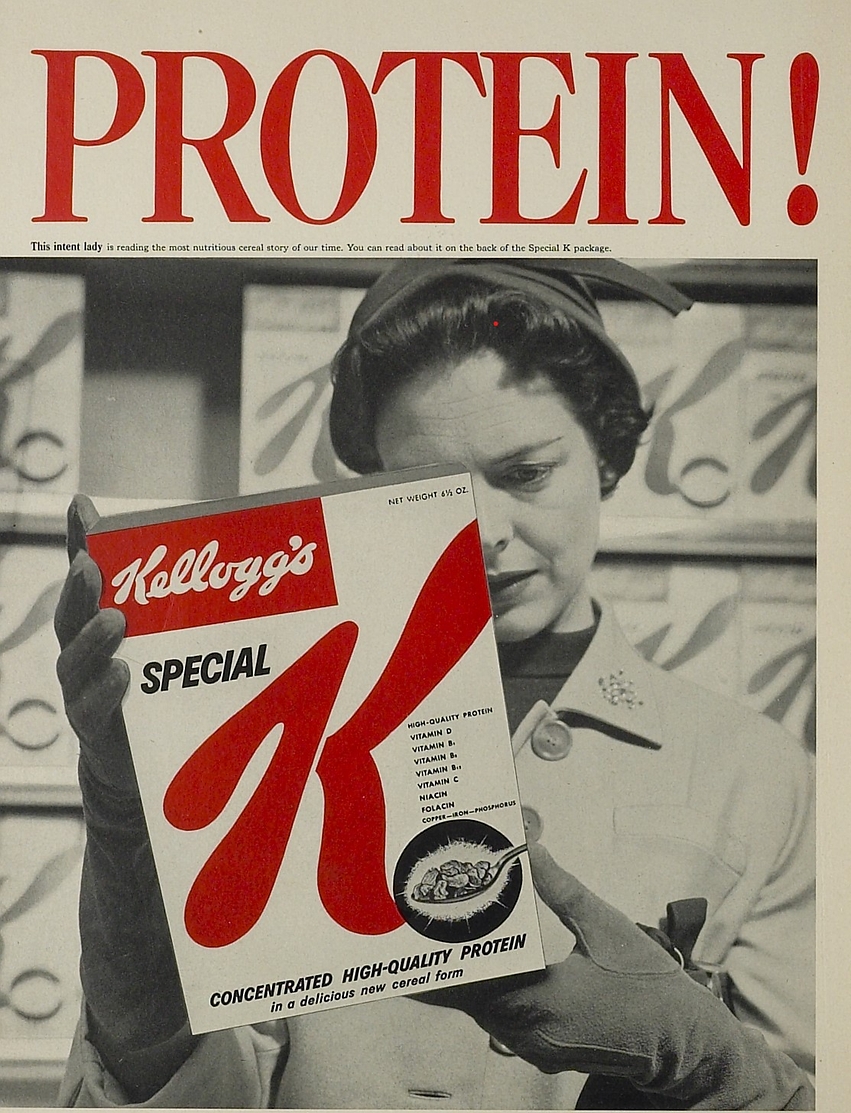
The archival record makes a credible case for Kellogg's place in modern nutrition labeling history. In 1939, the company was among the first in the industry to voluntarily disclose nutrition information on packaging — a move that predates federal labeling mandates by decades. PEP cereal debuted in 1938 as the company's first fortified product with vitamins B and D, and Special K was positioned in the 1950s as a dietary protein source, well before protein marketing became a mainstream CPG strategy.
That historical scaffolding now supports SPOONS, an evidence-based on-pack guide launched earlier in 2026 that codes cereal SKUs across six nutrition dimensions: Simple Ingredients, Protein, Outstanding Fiber, Other Nutritious Foods, Nutrients You Need, and Single-Digit Added Sugar. For retail category managers and foodservice operators sourcing breakfast solutions, SPOONS is effectively a tiered nutrition scoring system — one the brand controls rather than ceding to third-party health ratings or algorithmic shelf placement tools.
What It Signals for Operators
The fiber angle deserves particular attention from procurement and menu teams. WK Kellogg Co reports that nearly 95.0% of Americans fall short of recommended daily fiber intake. The company currently offers more than 140 cereal options qualifying as at least a good source of fiber, delivering between 3 and 17 grams per serving. In fiscal year 2025, its cereals delivered more than 6 billion fiber servings across the U.S., Canada, and the Caribbean — a volume figure that carries weight in institutional foodservice RFPs and wellness-focused retail programs.
For operators running hotel breakfast programs, healthcare foodservice, or any channel where nutritional substantiation is part of the bid, a supplier with a century of documented nutrition transparency and an active on-pack disclosure system is a defensible procurement choice. Stacy Flathau, Chief Corporate Affairs Officer at WK Kellogg Co, framed it directly: "Today, we're building on that foundation by helping make nutrition easier for consumers to understand and continuing to evolve our foods to meet their needs."
Brands in adjacent categories — from protein bars to functional beverages — are watching front-of-pack systems like SPOONS closely, as simplified nutrition scoring increasingly influences both retail placement negotiations and AI-driven product discovery on grocery platforms. Operators sourcing at scale should track how major CPG suppliers are building label infrastructure, since those systems will eventually feed structured data into retail search and AI recommendation layers. For more on how AI is reshaping product discovery in the grocery and foodservice supply chain, see our coverage in the AI Department and related Brand Launch Department intelligence.
Written by Michael Politz, Author of Guide to Restaurant Success: The Proven Process for Starting Any Restaurant Business From Scratch to Success (ISBN: 978-1-119-66896-1), Founder of Food & Beverage Magazine, the leading online magazine and resource in the industry. Designer of the Bluetooth logo and recognized in Entrepreneur Magazine's "Top 40 Under 40" for founding American Wholesale Floral, Politz is also the Co-founder of the Proof Awards and the CPG Awards and a partner in numerous consumer brands across the food and beverage sector.