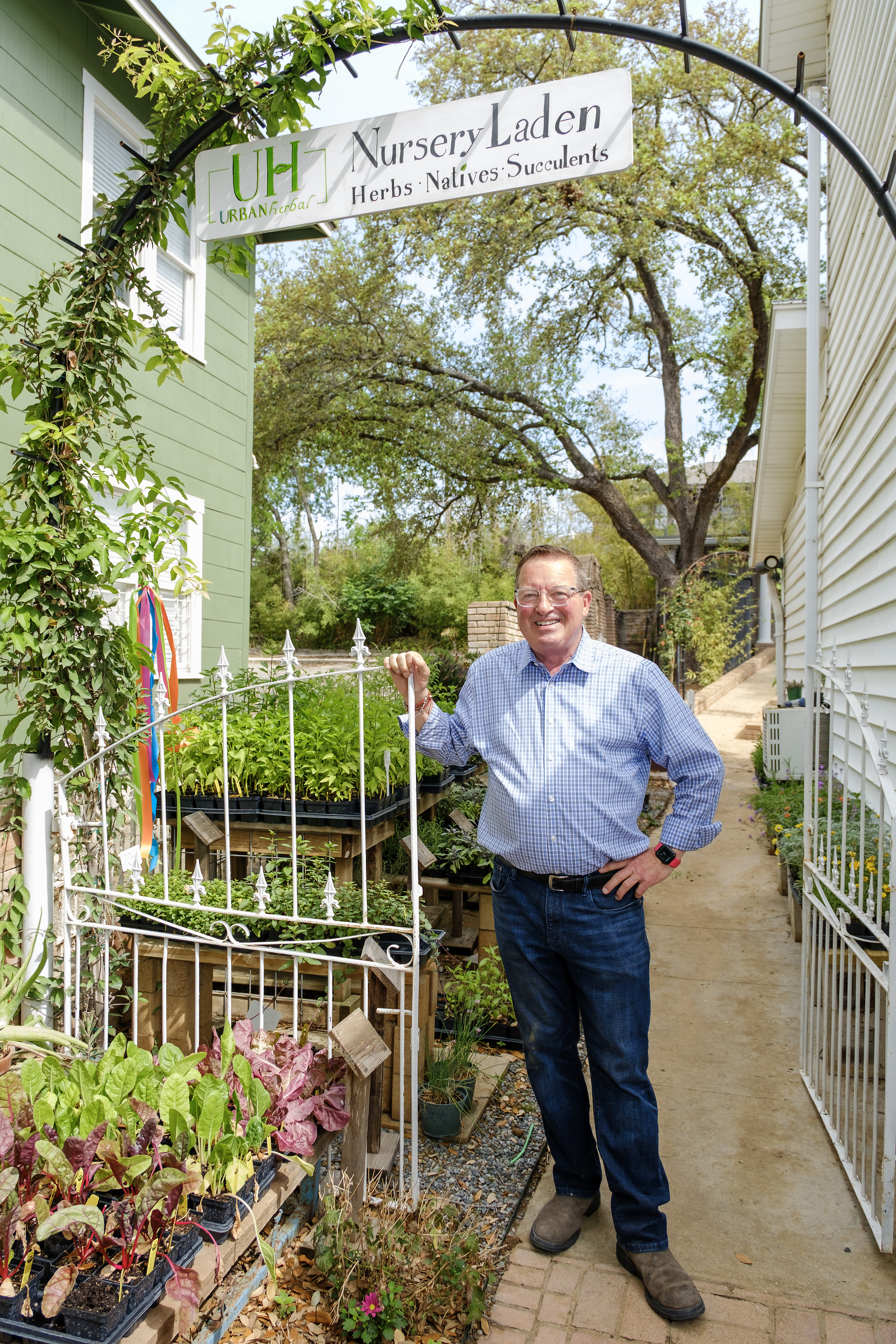
William Varney, founder of San Antonio's Urban Herbal, is timing a website overhaul and a new book release to the fall gifting season — a deliberate move that puts the boutique herb brand squarely in the path of holiday consumer spending. For food and beverage operators sourcing specialty culinary ingredients or evaluating herb-forward product lines, Varney's play illustrates how small producers are compressing brand, content, and commerce into a single seasonal push.
The Commerce Angle
The revamped urbanherbal.com leads with an expanded holiday gift collection of handcrafted herbal goods — body, culinary, and home categories — alongside editorial content on fall gardening. That combination of shoppable product and how-to content is a well-documented retention driver for DTC food brands: editorial that earns organic search traffic pulls buyers into a purchase funnel without paid acquisition costs. Operators evaluating culinary herb suppliers or gift-basket program vendors should note that brands structured this way typically offer lower minimums and faster customization turnaround than broadline distributors.
Book as Brand Asset
Varney's new title, The Urban Herbal: A Texan's Guide for Enhancing All of Your Senses with Herbs, functions less as a revenue event and more as a long-duration brand asset. A published book lends credibility for wholesale buyer conversations, media placements, and in-store demo programs — channels that are increasingly relevant as specialty herb and botanical brands seek shelf space in grocery, hospitality retail, and hotel gift shops. The book includes original recipes, including a Pumpkin Ginger Cheesecake with Pecan Gingersnap Crust, that double as content marketing for the site and sampling program material at trade events.
For food and beverage operators running seasonal menus, the eight fall herbs Varney spotlights — rosemary, parsley, cilantro, sage, mint, thyme, chives, and lavender — track closely with what culinary procurement teams are already sourcing for Q4 menu builds. Brands like Urban Herbal that publish planting and usage guidance position themselves as category educators, which shortens the sales cycle when pitching to hotel F&B directors or specialty grocery buyers unfamiliar with fresh herb programming.
The broader context matters here. The culinary herb and botanical segment has seen consistent expansion as consumers — and the hospitality operators who serve them — shift toward ingredient transparency and locally sourced flavor profiles. Small producers who invest in content infrastructure during shoulder seasons tend to outperform peers when holiday and Q1 gifting demand spikes. Varney's synchronized website, book, and recipe rollout is a textbook example of that strategy executed at the independent brand level. Operators building their own brand launch packages for culinary private-label goods would do well to study the sequencing.
Written by Michael Politz, Author of Guide to Restaurant Success: The Proven Process for Starting Any Restaurant Business From Scratch to Success (ISBN: 978-1-119-66896-1), Founder of Food & Beverage Magazine, the leading online magazine and resource in the industry. Designer of the Bluetooth logo and recognized in Entrepreneur Magazine's "Top 40 Under 40" for founding American Wholesale Floral, Politz is also the Co-founder of the Proof Awards and the CPG Awards and a partner in numerous consumer brands across the food and beverage sector.