The Retail Move
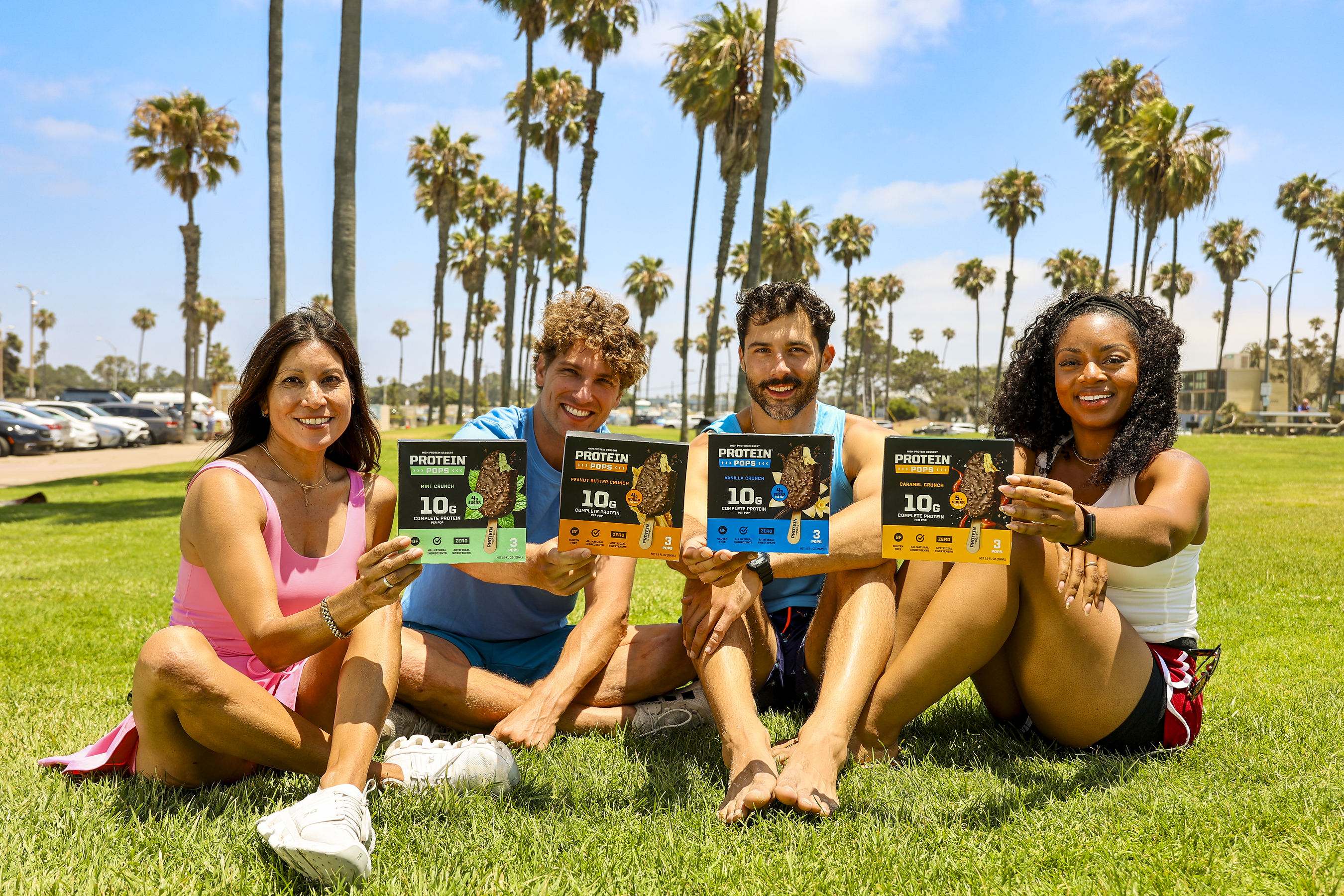
Protein Pints, the Grand Rapids-based high-protein ice cream brand, is rolling Protein Pops into Target stores this week and all Kroger Family of Stores divisions beginning September 13 — a single-month expansion that brings the bar format to more than 4,000 retail locations nationwide. The move follows a June online debut that exhausted initial inventory in less than eight hours, exceeding launch projections by more than 10 times. The brand had been building shelf presence at Sprouts Farmers Market through the summer before moving into the two major national chains.
Why Buyers Should Pay Attention
The speed of this retailer pickup is the signal worth tracking. Functional frozen — bars and novelties with meaningful protein counts, clean-label positioning, and no artificial sweeteners — is drawing accelerated buyer interest as the category matures past niche. Protein Pops deliver 10 grams of complete protein, 180–190 calories, and at least 75% less sugar than conventional ice cream across four SKUs: Caramel Crunch, Vanilla Crunch, Peanut Butter Crunch, and Mint Crunch. Each bar is gluten-free, made with natural ingredients, and contains all nine essential amino acids via a quinoa-studded milk chocolate coating. For category buyers at general merchandise and grocery chains, that profile checks multiple trend boxes simultaneously — functional nutrition, permissible indulgence, and on-trend format — which helps explain the rapid progression from DTC to Sprouts to two top-five national grocers inside a single calendar year.
Paul Reiss, co-founder and CEO of Protein Pints, framed the expansion around occasion broadening: "Bringing Protein Pops to Target and all Kroger Divisions means significantly more people can now find them during their everyday grocery run." That language matters for operators and foodservice buyers evaluating where functional frozen is heading — the brand is deliberately repositioning the use case from post-workout fuel to everyday snack and evening treat, a wider occasion map that supports higher velocity projections at retail.
What This Signals for Operators
For foodservice and hospitality operators watching the frozen novelty and better-for-you snack space, the Protein Pops rollout illustrates how brands with validated DTC demand are compressing the traditional retail timeline. A product that proved its velocity online in a single day now sits in two of the country's largest retail networks within 90 days of launch. Operators sourcing grab-and-go or minibar protein options — particularly in fitness-adjacent hospitality, corporate dining, or health-focused QSR — should monitor how the Kroger and Target velocity data develops; strong sell-through at mass and grocery typically precedes foodservice distribution conversations.
Brands executing this kind of staggered retail entry — specialty (Sprouts), then mass (Target), then grocery (Kroger) — are also building the kind of sales history that supports broker and distributor introductions and speeds up buyer deck conversations for foodservice channels. The pattern is worth benchmarking for any supplier brand planning a retail-to-operator expansion sequence.
Written by Michael Politz, Author of Guide to Restaurant Success: The Proven Process for Starting Any Restaurant Business From Scratch to Success (ISBN: 978-1-119-66896-1), Founder of Food & Beverage Magazine, the leading online magazine and resource in the industry. Designer of the Bluetooth logo and recognized in Entrepreneur Magazine's "Top 40 Under 40" for founding American Wholesale Floral, Politz is also the Co-founder of the Proof Awards and the CPG Awards and a partner in numerous consumer brands across the food and beverage sector.