Premium grass-fed beef brand PRE Brands is leaning into the holiday selling window with a multi-format recipe collection that spans party appetizers, centerpiece mains, and sub-30-minute weeknight dinners — all built around its 100% grass-fed, grass-finished beef lineup sourced from New Zealand and Australia.
The timing is deliberate. The November-through-December window is the highest-velocity period for premium beef at retail, and brands competing in the grass-fed segment are increasingly using content marketing as a shelf-pull strategy rather than relying on trade promotion alone. Recipe-led campaigns give a retail-distributed protein brand a direct consumer touchpoint that bypasses the retailer's own promotional calendar.
The Recipe Portfolio
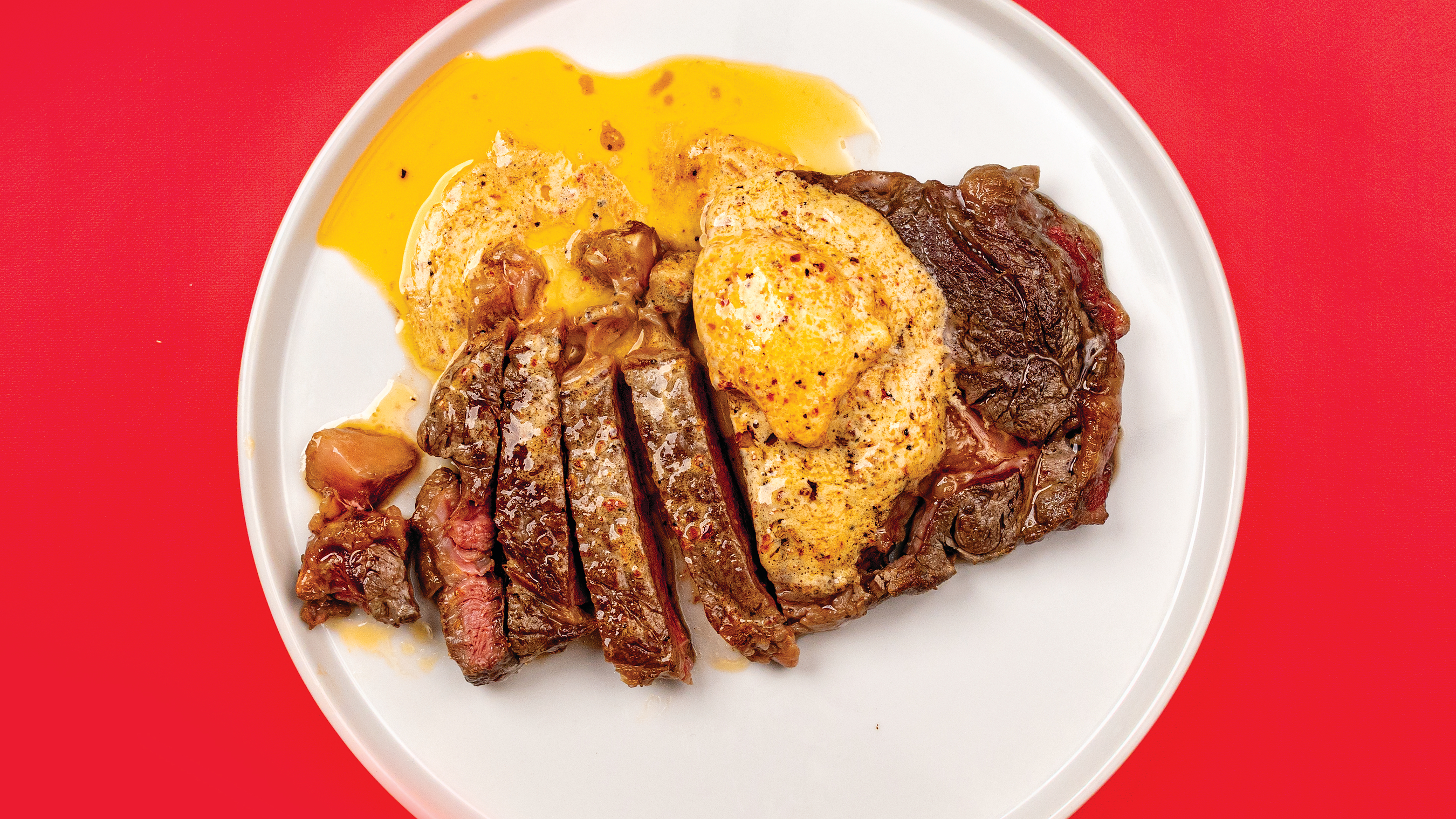
The collection covers three occasion tiers. For entertaining, PRE is pushing Beef Wellington Bites using its Filet Mignon, Yorkshire Pudding Minis with Ribeye and Horseradish Sauce, and Tater Tot Cheeseburger Bites anchored by 85% Lean Ground Beef. Main course formats include a Brown Butter Basted Ribeye with herbs and a Fall Salad with Brandied Pears built on New York Strip. The quick-dinner tier — Garlic Butter Beef Linguine, Ribeye Tacos, Okinawan Taco Rice — targets the "holiday fatigue" moment when consumers want quality without effort.
The multi-tier structure is worth noting from a brand architecture standpoint. By spanning premium cuts (Filet Mignon, Ribeye) and accessible ground beef formats (85% and 95% lean), PRE is working to extend purchase occasions across its full SKU set rather than spotlighting a single hero product. That approach maps directly to how category captains pitch retail buyers: depth of use occasions justifies shelf space.
What This Signals for Operators
"Beef is a versatile protein that can take center stage at a holiday gathering or make an everyday meal feel a little more special," said Nicole Schumacher, Chief Marketing Officer at PRE Brands. The framing — festive occasions plus weeknight utility — reflects a broader pivot among premium protein brands toward year-round relevance rather than seasonal spikes.
For foodservice operators and retail food program buyers, the intelligence here is about how grass-fed beef is being positioned at the premium tier. PRE's distribution spans grocery, club, and e-commerce including Instacart, which means its content is reaching the same households that restaurant operators and meal-kit programs are competing for. As grass-fed and grass-finished beef continues to gain share in the premium protein segment, brands with strong recipe ecosystems and clean-label certifications — Non-GMO Project Verified, Whole30, Paleo, Keto, Halal — carry a credentialing advantage in both retail and foodservice procurement conversations.
Operators evaluating premium beef suppliers for seasonal menus or private-label programs should track how brands like PRE are framing consumer use occasions — that content often previews where ingredient demand is building before it shows up in distributor order data. For more on how premium protein brands are building retail and foodservice positioning, see our coverage on brand launch strategy and operator intelligence trends.
Written by Michael Politz, Author of Guide to Restaurant Success: The Proven Process for Starting Any Restaurant Business From Scratch to Success (ISBN: 978-1-119-66896-1), Founder of Food & Beverage Magazine, the leading online magazine and resource in the industry. Designer of the Bluetooth logo and recognized in Entrepreneur Magazine's "Top 40 Under 40" for founding American Wholesale Floral, Politz is also the Co-founder of the Proof Awards and the CPG Awards and a partner in numerous consumer brands across the food and beverage sector.