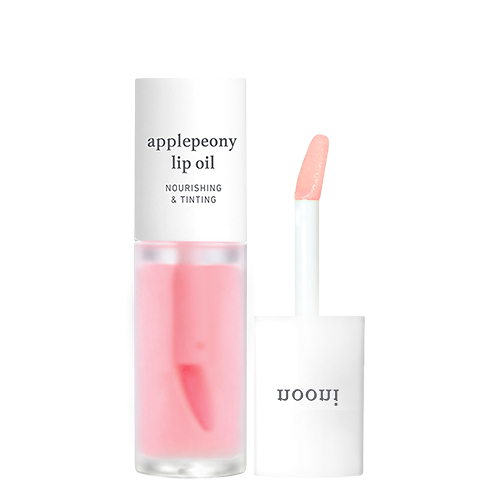
K-beauty brand nooni is landing in 1,778 Target stores and on Target.com as of September 6, 2026, converting years of social-media traction into its first U.S. brick-and-mortar retail footprint. The hero product — the Apple Seed Lip Oil, available in eight shades at $15 each — has logged more than 450 million TikTok views and sold more than 5.1 million units worldwide, averaging roughly one unit per minute on TikTok Shop. The move is a direct case study in how digitally native brands translate platform velocity into mass retail volume, a pattern operators across food, beverage, and CPG categories are watching closely.
The Social-to-Shelf Blueprint
What nooni is executing mirrors the playbook emerging among better-for-you food and beverage brands that built audiences on TikTok Shop and Amazon before approaching a major mass retailer. The brand ranked No. 1 on Amazon across Lip Care, Lip Plumping Treatments, and Lip Gloss categories before a single unit hit a Target planogram. That sequencing — social proof, then e-commerce velocity, then national retail — is becoming the preferred path for any brand seeking a credible buyer conversation. Retailers like Target increasingly use third-party e-commerce rankings and earned social views as proxies for demand signal, reducing the speculative risk of a large-format launch. For food and beverage operators developing emerging brands, the lesson is the same: documented sell-through data from DTC or marketplace channels now functions as a retail buyer deck in its own right.
What Operators and Brand Builders Should Note
Dino Ha, Founder and CEO of MBX, framed the Target partnership not as a distribution event but as a discovery channel — noting that Target reaches consumers during their everyday shopping routines, including those not actively seeking out K-beauty. That framing matters for any emerging F&B brand considering mass retail: the argument to a buyer is rarely about your existing customer, it is about the ambient shopper you will convert in-aisle. At $15 per unit across eight SKUs, nooni enters Target with a tight, manageable assortment — another best practice that applies directly to food and beverage launches, where buyers consistently favor a focused shelf set over a broad, untested lineup.
The K-beauty category's move from trend to mainstream staple in the U.S. also carries a direct parallel for specialty food and global-flavor brands. Korean condiments, snacks, and beverages have followed a nearly identical arc — viral content, e-commerce ranking, then retail placement — inside the same consumer cohort that drove nooni's TikTok numbers. Brands and their brokers operating in those adjacent categories should treat nooni's Target entry as confirmation that the window for this retail-readiness argument remains open, but it rewards operators who have already built the digital proof before walking into a buyer meeting.
For teams managing brand launch strategy or evaluating retail distribution partnerships, the nooni model reinforces a few durable principles: lead with a single hero SKU, document your digital demand before the retailer conversation begins, and price to mass-market accessibility from day one rather than migrating down from a premium position after the fact.
Written by Michael Politz, Author of Guide to Restaurant Success: The Proven Process for Starting Any Restaurant Business From Scratch to Success (ISBN: 978-1-119-66896-1), Founder of Food & Beverage Magazine, the leading online magazine and resource in the industry. Designer of the Bluetooth logo and recognized in Entrepreneur Magazine's "Top 40 Under 40" for founding American Wholesale Floral, Politz is also the Co-founder of the Proof Awards and the CPG Awards and a partner in numerous consumer brands across the food and beverage sector.