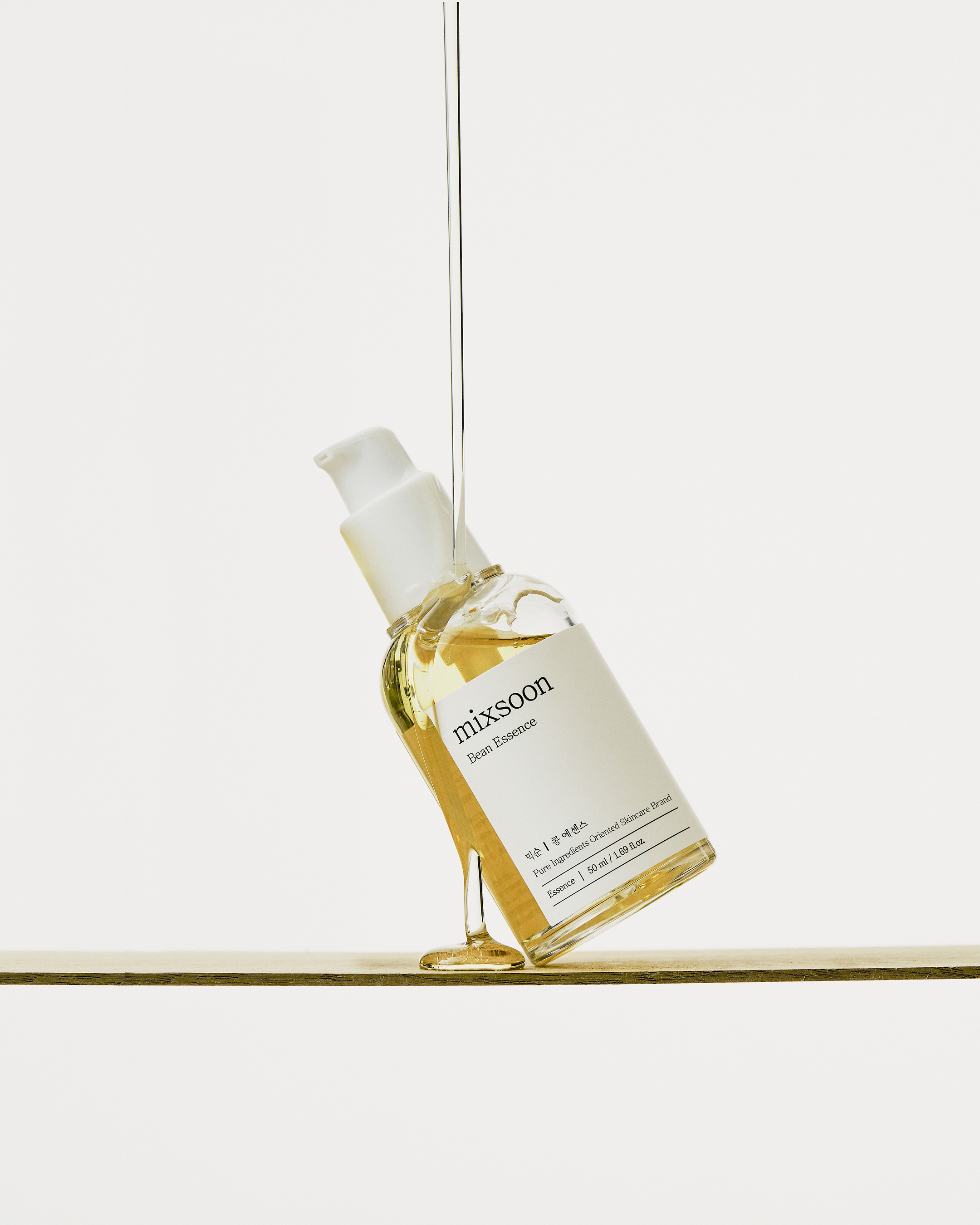
K-Beauty brand mixsoon lands in more than 600 Target doors on September 10 as part of Target Beauty Studio, the retailer's new prestige beauty concept anchoring roughly 90 brands and more than 1,600 SKUs across skincare, makeup, haircare, and fragrance. The placement gives mixsoon immediate national scale alongside curated emerging and global brands — a move operators and CPG brand builders should read as a signal about what mass-prestige buyers are rewarding right now.
The Retail Calculus
Target Beauty Studio is not a standard planogram expansion. It is a redesigned in-store experience featuring dedicated Beauty Advisors, specialty-level presentation, rotating product spotlights, and Target Circle loyalty integration. For a brand like mixsoon — founded in Seoul in 2020 around high-concentration, single-ingredient formulas — placement here means the retailer is betting that minimalist, ingredient-led positioning can perform in a discovery-driven, assisted-selling environment. That is a meaningfully different retail thesis than a straightforward endcap deal, and it carries implications for how brands build buyer decks and sample programs ahead of major retail pitches.
The brand's flagship Bean Essence, produced through a 72-hour low-temperature extraction process, has crossed 2.85 million cumulative units sold globally as of 2025. That kind of verified velocity is exactly what category buyers at large-format retailers require before committing premium shelf real estate. Mixsoon's existing U.S. footprint — Target, Ulta, Costco, and Amazon — also demonstrates cross-channel discipline: the brand has avoided the kind of channel conflict that often stalls emerging labels at the buyer review stage.
What This Signals for Brand Builders
For hospitality-adjacent wellness brands, specialty food producers, and CPG operators tracking how ingredient-forward positioning translates to retail, the mixsoon playbook is worth studying. The brand leads with a single-ingredient philosophy — beans, centella asiatica, PDRN collagen — rather than a broad product story, which compresses the buyer conversation and makes sampling campaigns easier to execute at retail. That approach mirrors what is working in functional beverage and better-for-you food, where operators with a clear hero SKU consistently outperform brands entering with a full line.
Target Beauty Studio's structure — curated assortment, dedicated advisor staff, loyalty offers — also previews a format that foodservice and grocery operators should monitor. Assisted-selling environments with loyalty integration are expanding beyond beauty; grocery and specialty food retailers are piloting similar models for premium and functional categories. Brands that have already demonstrated ingredient credibility and unit velocity, as mixsoon has, will be better positioned when those programs open for applications.
As Jooup, CEO of mixsoon, noted, the Target relationship is about reaching everyday American shoppers on their own turf — not just adding a retail door. That consumer-access framing, paired with verifiable sell-through data, is the combination that moves buyers at scale.
Operator Takeaways
For brands and operators tracking retail-readiness and distribution strategy, see also our coverage on building a retail-ready buyer deck and how emerging brands are winning mass-channel placement.
Written by Michael Politz, Author of Guide to Restaurant Success: The Proven Process for Starting Any Restaurant Business From Scratch to Success (ISBN: 978-1-119-66896-1), Founder of Food & Beverage Magazine, the leading online magazine and resource in the industry. Designer of the Bluetooth logo and recognized in Entrepreneur Magazine's "Top 40 Under 40" for founding American Wholesale Floral, Politz is also the Co-founder of the Proof Awards and the CPG Awards and a partner in numerous consumer brands across the food and beverage sector.